Fabric rolls nobody can find
Every roll gets a number, loom, width, GSM and weight when it comes off the loom, so roll-wise stock is always current.

PP/HDPE woven sacks, FIBC, leno and BOPP bags
Built for woven sack and FIBC plants, from resin and masterbatch receipt through tape extrusion, circular weaving, coating, lamination, printing and stitching to baled dispatch, with roll-wise stock and lot-wise traceability throughout.
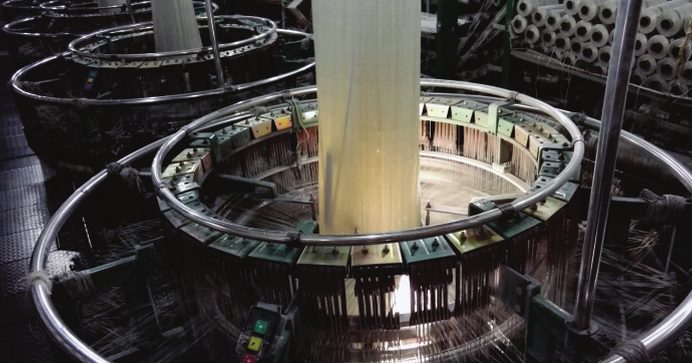
Woven sack and FIBC ERP is business software built around how a woven bag plant runs. Formezy records each resin and masterbatch lot, the recipe used at the tape line, denier and output per shift, every fabric roll from the looms, coating and lamination, bags made per operator and the test results for each lot, so stock, wastage and cost stay current from granule to bale.
Every roll gets a number, loom, width, GSM and weight when it comes off the loom, so roll-wise stock is always current.
Tape, fabric, cutting and stitching waste is booked by stage and type, and regrind returned to stock, so losses show where they happen.
Tape, fabric and bag test results, including SWL tests for FIBC, are stored against the lot and travel with the dispatch.
Segments
4 segments, each with its own shop-floor process flow.
Woven polypropylene and HDPE sacks for cement, fertiliser, grain, sugar and chemicals. Track the recipe at the tape line, denier per shift, every fabric roll and bags produced per operator.
See the 8-step flowFlexible intermediate bulk containers with loops, spouts, liners and baffles. Track coated fabric rolls, panels cut per design, bags stitched per operator and the SWL test results for every design and lot.
See the 7-step flowOpen-mesh leno bags for onions, potatoes, fruit and firewood. Narrow tapes, leno loom output and bag weights tracked per shift.
See the 6-step flowWoven bags laminated with reverse-printed BOPP film for rice, flour, pet food and retail packs. Film, ink and lamination tracked per roll and order.
See the 6-step flowShop-floor process flow
Choose a segment, then a step. Each one shows what happens on the shop floor, what Formezy records, and what changes as a result.
PP/HDPE granules, filler and UV/colour masterbatch bags received and weighed
GRN posts grade, supplier lot no. and weighbridge weight; bags labelled with a lot barcode
Weight Integration moduleResin lot traced from day one
Resin, filler and masterbatch weighed and mixed for the tape line
Approved recipe issued with the job; actual weights booked against the lots used
Production & Purchase moduleRecipe followed, cost known
Film extruded, slit into tapes, stretched and wound on bobbins
Output (kg/hr), denier and bobbin weights logged per shift with downtime reasons
IoT & Automation moduleOutput and denier per shift
Denier, tenacity and elongation tested on bobbin samples
Results recorded against the tape batch; out-of-spec bobbins put on hold
Quality Control moduleOnly in-spec tape reaches looms
Quality gate. If it fails: adjust the line and send off-spec tape to regrind.
Tapes woven into tubular fabric on circular looms
Roll created with loom no., width, mesh, GSM and roll weight; loom efficiency per shift
Production & Purchase moduleRoll-wise stock, live
Fabric printed with the customer's artwork
Print job linked to roll numbers; ink consumption booked per order
Production & Purchase moduleInk cost per order
Fabric cut to bag length and bottom stitched
Bags counted per operator; fabric issued reconciled with bags made and waste booked
Production & Purchase moduleFabric-to-bag yield visible
Bags counted into bales, pressed, weighed and loaded
Bale labels, packing list, invoice and e-way bill from the same record
Logistics & Dispatch moduleNo manual packing lists
PP/HDPE granules, filler and UV/colour masterbatch bags received and weighed
GRN posts grade, supplier lot no. and weighbridge weight; bags labelled with a lot barcode
Weight Integration moduleResin lot traced from day one
Woven fabric rolls, webbing, thread and liners received
Rolls tagged with roll no., GSM, width and weight; webbing and liners stocked by lot
Inventory moduleRoll-wise stock from day one
Fabric extrusion-coated for moisture-resistant bags
Coating cost per roll
Body, top, bottom and spout panels cut to the bag design
Cutting plan from the bag specification; panels counted and offcuts booked
Production & Purchase moduleFabric per bag known
Panels, loops, spouts, baffles and liners stitched by operators
Bags per operator and stitching line per shift; thread and webbing consumed per bag
Human Resources moduleOperator output visible
Dimensions, loops and stitching checked; designs top-lift tested to the specified safety factor
Safe working load, safety factor and test results stored against the design and production lot
Quality Control moduleTest record for every lot
Quality gate. If it fails: hold the lot, rework or retest, or scrap.
Bags cleaned, folded and baled with lot labels
Every bale identifiable
Bales loaded against the customer order
Packing list, invoice and test documents generated together
Logistics & Dispatch moduleNo paperwork chase
Woven fabric rolls, webbing, thread and liners received
Rolls tagged with roll no., GSM, width and weight; webbing and liners stocked by lot
Inventory moduleRoll-wise stock from day one
PP granules and colour masterbatch received and weighed
GRN posts grade, supplier lot no. and weighbridge weight; bags labelled with a lot barcode
Weight Integration moduleLot traced from day one
Narrow coloured tapes extruded and wound
Recipe, output and denier logged per shift; colour change time recorded
IoT & Automation moduleColour changes costed
Tapes woven into open mesh on leno looms
Mesh rolls created with loom no., width and weight; loom stoppages with reasons
Production & Purchase moduleLoom stoppages explained
Mesh cut, stitched and fitted with drawstrings or labels
Bags counted per operator; mesh and drawstring consumption booked
Human Resources moduleMaterial per bag known
Bag weight, size, mesh and stitching checked on samples
Light bags caught early
Quality gate. If it fails: rework or send to regrind.
Bags baled, weighed and loaded
Bale count matches invoice
PP granules and colour masterbatch received and weighed
GRN posts grade, supplier lot no. and weighbridge weight; bags labelled with a lot barcode
Weight Integration moduleLot traced from day one
BOPP film rolls received; woven fabric issued from weaving
Film micron, width and weight posted; fabric rolls issued against the order
Inventory moduleFilm and fabric per order
BOPP film reverse printed in multiple colours
Print job, cylinders used, ink and solvent consumption booked per job
Production & Purchase modulePrint cost per job
Printed film extrusion-laminated to woven fabric
Laminated rolls created with lamination GSM and weight, linked to film and fabric rolls
Production & Purchase moduleFilm-to-fabric traceability
Bond strength, print registration and appearance checked
Only good rolls converted
Quality gate. If it fails: hold the roll, re-laminate or downgrade.
Rolls cut, gusseted and bottom stitched or block-bottomed
Conversion yield per order
Bags counted, baled and loaded
Order-wise dispatch
BOPP film rolls received; woven fabric issued from weaving
Film micron, width and weight posted; fabric rolls issued against the order
Inventory moduleFilm and fabric per order
Dashed ring marks a quality gate, where failed material is held before it moves on.
Capabilities
Open an area to see what it covers.
Questions
Talk to a plastic ERP specialist about your own plant and process route.
Formezy supports PP/HDPE woven sacks, FIBC / jumbo bags, leno / mesh bags and BOPP laminated bags, each with its own process flow. Plants that combine segments run them in one system.
Yes. The same system runs tape extrusion, weaving, coating, lamination, printing, cutting and stitching, so a plant making woven sacks, FIBC, leno bags and BOPP laminated bags works on one record.
Each roll is numbered when it leaves the loom, with loom number, width, GSM and weight. Coating, lamination and printing keep the link to the original roll, so any bag lot traces back to its rolls, tapes and resin lots.
Yes. Denier, tenacity and line output are recorded per shift for each tape line, and loom running, stoppage and changeover time are logged with reasons, so efficiency is visible per loom and shift.
Safe working load, safety factor and top-lift test results are stored against the bag design and the production lot. Lots can be held until results are entered, and the documents go out with the dispatch.
Yes. Waste from each stage is booked by type and weight, regrind is returned to stock, and recipes can include a set regrind percentage so its use is tracked.
Yes. Resin, filler, masterbatch, ink, lamination film, thread, webbing and labour are booked against the order, so cost per kilogram and per bag comes from actual consumption.
Other industries
See Formezy configured around your own process route, from receipt to dispatch.