
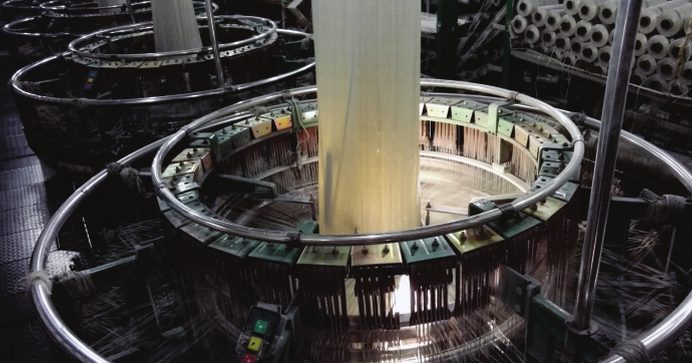
Woven sack and FIBC plants run long chains of processes: tape extrusion, weaving, coating, lamination, printing, cutting and stitching. An ERP implementation succeeds when it follows that chain closely. Here is a sequence that works.
1. Map the process as it really runs
Walk the floor from the resin store to the dispatch bay and write down every step, every split and every place material is weighed or counted. Note where waste is created and where regrind comes back. This map becomes the process route in the ERP, and it shows where data will be captured.
2. Agree on what you will measure
Decide the numbers that matter before configuring anything: denier and output per tape line, loom efficiency, fabric GSM and roll weight, bags per operator, wastage by stage, cost per kilogram and per bag. If a number isn't agreed now, nobody will capture it later.
3. Clean up your masters
Set up items, recipes, bag designs, machines, looms and customers with consistent codes. For FIBC, each design should carry its dimensions, fabric, loops, liner and safe working load. Messy masters are the most common reason for slow go-lives.
4. Number your rolls and bales
Introduce roll numbers at the loom and bale labels at packing, with barcodes if possible. Once every roll has an identity, stock, traceability and wastage tracking follow naturally.
5. Capture data at the source
Connect weighbridges and scales for receipts, rolls and bales. Give supervisors mobile entry for output and stoppages. The less that is written on paper and typed in later, the more accurate the system will be.
6. Train in two layers
Train master users first, so each department has someone who understands the whole flow, then train end users on the screens they will use every day. Practise with your own data, not demo data.
7. Go live in stages
Start with stores and purchase, then production, then quality and dispatch, with finance alongside. Run the old and new records side by side for a short period, compare the numbers, and switch over once they match.
Mistakes to avoid
- Configuring the software before the process map is agreed.
- Leaving wastage and regrind out of scope. They are where the money is.
- Treating training as a single session.
- Skipping opening stock counts for rolls and bales.
See the step-by-step woven sack and FIBC process flows to compare them with your own plant.