Jumbo rolls and slit rolls out of step
Slit rolls are created from their jumbo roll, so every child roll keeps the parent's lot, GSM and test results.

Spunbond, needle-punched, meltblown and coated fabrics
Built for non-woven and technical textile plants, from polymer and fibre receipt through spinning, carding, needle punching, meltblowing and coating to slit rolls, with roll-wise stock, GSM-wise testing and lot traceability throughout.
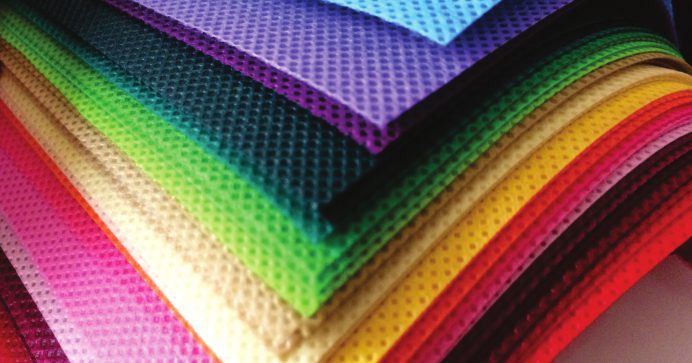
Non-woven ERP is business software built around how a non-woven or technical textile line runs. Formezy records polymer and fibre lots, the recipe dosed, line output per shift, every jumbo roll with GSM, width and weight, the slit rolls cut from it and the lab results for each roll, so stock, wastage, cost and quality stay current from granule to dispatch.
Slit rolls are created from their jumbo roll, so every child roll keeps the parent's lot, GSM and test results.
GSM, tensile, elongation and other lab results are stored against the roll and checked before it can be dispatched.
Edge trim, start-up and off-spec material are booked by type and line, and recycled material returned to stock.
Segments
4 segments, each with its own shop-floor process flow.
PP spunbond fabric for hygiene, medical, agriculture, furniture and packaging. Track the recipe, line speed, every jumbo roll and the slit rolls cut from it.
See the 7-step flowNeedle-punched felts and fabrics from PP or PET staple fibre for geotextiles, automotive, filtration and carpets. Fibre lots, GSM per roll and needle-board changes tracked.
See the 7-step flowFine-fibre meltblown media for filtration and face masks. Process settings, filtration test results and roll weights recorded per roll.
See the 6-step flowPVC, PU and PE coated or laminated fabrics, including tarpaulins and synthetic leather. Compound recipes, coating weight and roll-wise test results tracked.
See the 7-step flowShop-floor process flow
Choose a segment, then a step. Each one shows what happens on the shop floor, what Formezy records, and what changes as a result.
PP granules, colour masterbatch and additives received and weighed
GRN posts grade, supplier lot no. and weighbridge weight; bags labelled with a lot barcode
Weight Integration modulePolymer lot traced from day one
PP, masterbatch and additives dosed to the extruder
Recipe issued with the job; actual dosing booked against the lots used
Production & Purchase moduleRecipe followed per run
Filaments spun, drawn and laid on the belt
Throughput, line speed and stoppages logged through IoT or on mobile
IoT & Automation moduleDowntime reasons on record
Web thermally bonded and wound into jumbo rolls
Every jumbo roll identifiable
GSM, tensile and elongation tested on roll samples
Only approved rolls are slit
Quality gate. If it fails: downgrade the roll or recycle it.
Jumbo roll slit to customer widths and lengths
Child rolls linked to the jumbo roll; edge trim booked as waste for recycling
Production & Purchase moduleTrim loss per roll visible
Rolls wrapped, labelled and loaded
Roll-wise dispatch
PP granules, colour masterbatch and additives received and weighed
GRN posts grade, supplier lot no. and weighbridge weight; bags labelled with a lot barcode
Weight Integration modulePolymer lot traced from day one
Staple fibre bales received with type, denier and weight
Fibre lot traced from day one
Bales opened and fibres blended to the recipe
Blend recipe issued; bales consumed booked against the job
Production & Purchase moduleBlend recorded per batch
Fibre carded into a web and cross-lapped to the target weight
Output per shift, live
Web consolidated on needle looms
Needle-board changes and needle life logged against each loom
Machine Maintenance moduleNeedle changes planned
GSM, thickness, tensile and puncture tested on roll samples
Only approved rolls move on
Quality gate. If it fails: hold, downgrade or re-process.
Fabric slit and wound to customer roll sizes
Roll-wise stock
Rolls wrapped, labelled and loaded
No paperwork chase
Staple fibre bales received with type, denier and weight
Fibre lot traced from day one
Meltblown-grade PP and additives received and weighed
GRN posts grade, supplier lot no. and weighbridge weight; bags labelled with a lot barcode
Weight Integration moduleResin lot traced
Polymer extruded through the die and attenuated by hot air
Settings recorded per roll
Web electrostatically charged where specified and wound
Roll created with GSM, width and weight, linked to the run
Production & Purchase moduleEvery roll traceable to its run
GSM, filtration efficiency and pressure drop tested
Only tested media ships
Quality gate. If it fails: downgrade the roll or recycle it.
Rolls slit, packed and labelled
Trim loss visible
Rolls loaded against the order
Results travel with the roll
Meltblown-grade PP and additives received and weighed
GRN posts grade, supplier lot no. and weighbridge weight; bags labelled with a lot barcode
Weight Integration moduleResin lot traced
Base fabric, resins, plasticisers, fillers and pigments received
Each material posted with lot, quantity and supplier; fabric rolls tagged
Inventory moduleAll inputs traceable
Coating compound mixed to the formulation
Compound cost per batch
Compound coated or film laminated onto the base fabric
Coating weight per roll
Fabric cured, embossed or lacquered
Finish recorded per roll
Coating weight, adhesion, tensile and tear tested
Only approved rolls ship
Quality gate. If it fails: downgrade or rework the roll.
Fabric inspected for defects, measured and rolled
Roll-wise grade stock
Rolls packed and loaded
Order-wise dispatch
Base fabric, resins, plasticisers, fillers and pigments received
Each material posted with lot, quantity and supplier; fabric rolls tagged
Inventory moduleAll inputs traceable
Dashed ring marks a quality gate, where failed material is held before it moves on.
Capabilities
Open an area to see what it covers.
Questions
Talk to a plastic ERP specialist about your own plant and process route.
Formezy supports spunbond, needle-punched, meltblown and technical & coated fabrics, each with its own process flow. Plants that combine segments run them in one system.
Spunbond, needle-punched, meltblown and coated or laminated technical fabrics, each with its own process flow. Plants running more than one process work in the same system.
Each jumbo roll is created with GSM, width, length and weight when it is wound. Slitting creates child rolls linked to the jumbo roll, so every slit roll keeps the lot and test results of its parent.
Yes. GSM, tensile, elongation, thickness, puncture, filtration or coating tests are recorded per roll against the parameters for that product, and failed rolls are held.
Start-up loss, edge trim, slitting trim and off-spec rolls are booked by type and line, so wastage is visible by stage and shift, and recycled material goes back to stock.
Yes. Fibre bales are received with type, denier and lot, and blend recipes are recorded for needle-punched lines, alongside polymer recipes for spunbond and meltblown lines.
Yes. Coating compounds are managed as formulations, coating weight and line output are logged per run, and each finished roll carries its grade and test results.
Other industries
See Formezy configured around your own process route, from receipt to dispatch.