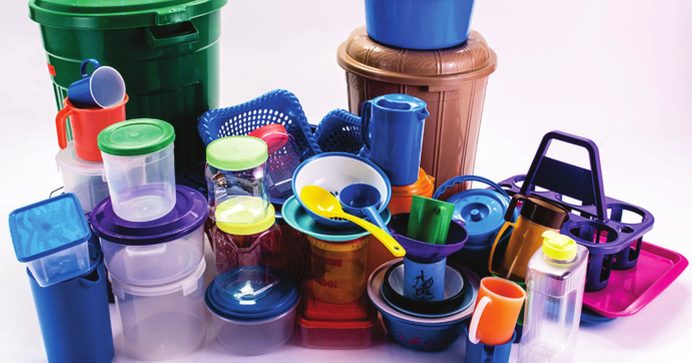
Injection molding shops juggle machines, moulds, materials and orders that all change daily. ERP built for molding brings them into one record. Here are ten practical benefits.
1. Realistic machine planning
Planning from each mould's running cavities and cycle time shows how many parts a job will produce per shift, so delivery dates are based on capacity, not hope.
2. The right mould on the right machine
Recording which machines suit each mould avoids last-minute changes and idle presses.
3. Mould shot counts
Every shot booked in production adds to the mould's count, so preventive maintenance falls due on time and mould history is in one place.
4. Controlled blends and regrind
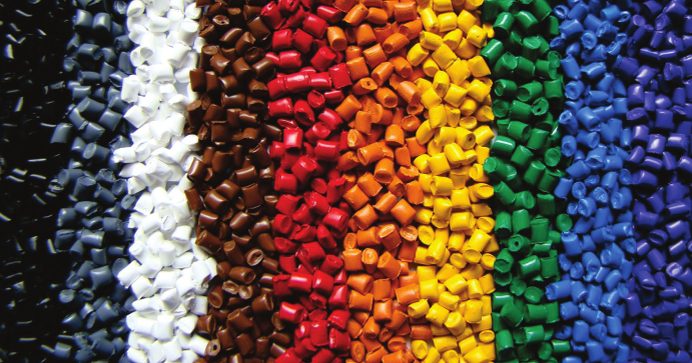
Recipes record the virgin resin, masterbatch and regrind percentage for each part, and actual weights are booked per batch, so the blend used is known.
5. Scrap weighed, not guessed
Runners, sprues and rejects are weighed back to regrind stock, showing material losses by machine and mould.
6. In-process quality at the machine
First-off and periodic checks for weight, dimensions and visual defects are recorded per job, and suspect batches are held before they reach packing.
7. Shift-wise analysis
Output, rejects and stoppages per machine and shift show where performance drops and why.
8. Live work in progress
Parts waiting for printing, assembly or packing are visible, so bottlenecks are found before they delay orders.
9. Real cost per part
Material, machine time, labour and packing booked against each job give actual cost per part, which feeds better quotes.
10. Connected sales and dispatch
Orders, stock and dispatch documents come from the same record, so customers get accurate dates and complete paperwork.
See the injection, blow and roto molding process flows for a step-by-step view.